
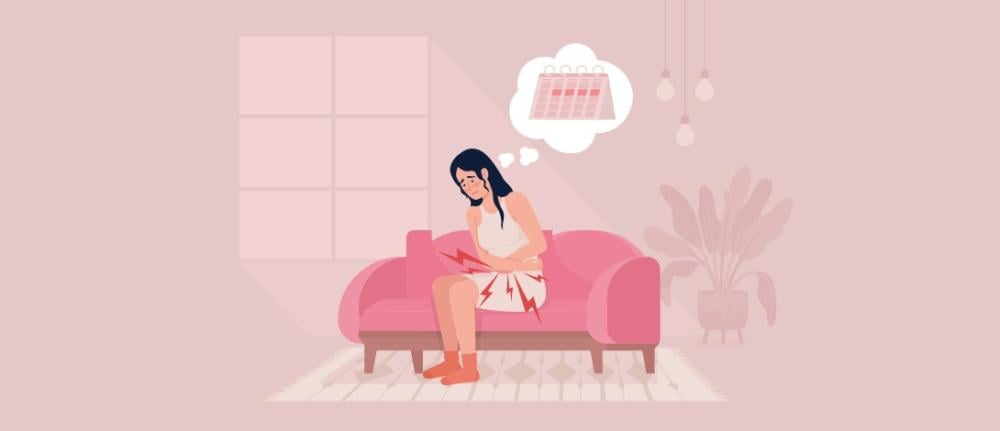
Menstrual cramps cause discomfort for many girls and women. Some women experience severe pain during their period, while others find the pain tolerable. However, many of us do not know the cause of menstrual cramps, how they occur, or how to manage them effectively to alleviate pain and reduce suffering. Women also need to know how to live their lives normally during their period. Understanding female nature and how the female reproductive system works will relieve many of your questions and confusion about menstrual cramps.
What causes menstrual cramps?
During your menstrual cycle, the uterine lining is formed. During the month, this lining becomes thick and prepares to receive the embryo. When ovulation occurs and the egg is not fertilized, the level of hormones decreases and the uterus begins to try to get rid of the thick uterine lining. Before menstruation, hormones called prostaglandins are secreted in large quantities. These hormones cause the uterus to contract and spasms. These severe contractions cause the uterine lining to tear and come out in the form of blood and tissue that comes out of the vagina during menstruation.
When the blood starts to flow, the level of prostaglandins decreases and the contractions decrease completely until they end within a day or two of the start of the menstrual cycle.
The higher your levels of prostaglandins, the more painful your period will be.
Menstrual cramps come in the form of:
- Lower abdominal pain and cramping (sometimes the pain can be severe)
- Feeling pressure in your stomach
- Pain in the hips, lower back, and thighs; this is the reason for leg pain during menstruation.
- Other symptoms such as nausea, dizziness, and headache may occur.
In most cases, the pain begins 24-48 hours before the period and subsides within 48 hours of the start of menstrual bleeding.
Is a painful period an indication of strong ovulation and the ability to conceive?
This belief is wrong, although it is very widespread, that the more painful the menstrual cycle, the more evidence that this girl has good ovulation and is able to conceive without any problems.
But in reality, as we mentioned, menstrual pain is caused by the hormone prostaglandin, and the higher the amount of this hormone, the more painful the period, especially during adolescence and the twenties.
Conversely, the more painful your period is to the point that it prevents you from living your life normally, the more likely there is a medical problem that requires consultation with a specialist.
Severe menstrual pain is an indication of many problems with ovulation or the uterus, so if you are experiencing severe pain during your menstrual period, consult a doctor.
If my period is naturally painful, can it become less painful after marriage?
Indeed, yes, this is good news for most girls who suffer from severe cramps at the beginning of their menstrual period. Sexual intercourse helps in various ways to reduce menstrual cramps. First, intercourse strengthens the pelvic muscles, making them more tolerant of pain. Also, the orgasm that occurs during intercourse consumes a large portion of prostaglandins, thus reducing the hormones that cause pain.
Do menstrual cramps change after pregnancy and childbirth?
One of the advantages of pregnancy and childbirth is that most mothers notice that menstrual cramps become less painful than before pregnancy. Some women even find that menstrual pain stops completely after pregnancy and childbirth, and menstrual fatigue becomes minimal. Prostaglandin, which causes menstrual cramps, is one of the hormones of labor and childbirth that causes uterine contractions during childbirth. Most experts say that childbirth eliminates some of the prostaglandin receptors in the uterus, and thus pain and contractions in the uterus decrease after childbirth.
And now we come to the most important question in this article… How can I properly deal with menstrual cramps?
First, we need to know that a healthy lifestyle greatly helps in avoiding painful periods. Healthy food and balanced meals give the body vitamins, minerals, and antioxidants that make it healthier and act as a protection for the body against inflammations that lead to increased cramps, dysmenorrhea, and many other problems. Regular exercise also increases the physical and mental ability to cope with hormonal changes and reduces the physical and psychological disturbances that affect the body before and during menstruation.
- Using painkillers that are suitable for the menstrual cycle under medical supervision is a suitable solution and does not cause any harm as long as your doctor has prescribed the appropriate painkiller for you.
- Use warm compresses on the back and lower abdomen while experiencing cramps.
- Rest as much as you like; your body does a lot of work during your menstrual cycle, so you need to rest and sleep as much as possible.
- Avoid caffeine during this period to avoid increasing the pain.
- Lower back and abdominal massage is very beneficial
- Practicing exercises suitable for the menstrual cycle helps in the flow of menstrual blood, such as walking and light jogging. These exercises help to reduce pain, stimulate blood circulation, and release the hormone of comfort and relaxation, endorphins.
- Yoga, relaxation, and deep breathing exercises to improve mental well-being.